
In the world of scientific discovery, precision and accuracy are non-negotiable. Every instrument in a laboratory plays a crucial role, and laboratory containers are no exception. These unassuming vessels are the backbone of scientific research, providing a safe and reliable space for conducting experiments, storing samples, and mixing chemicals. But what exactly are they called, and why are they so important? Let’s dive in and explore the fascinating world of laboratory containers.
Understanding Laboratory Containers
Laboratory containers might not be the stars of the show, but without them, scientific breakthroughs would be far more challenging. Here’s why they’re indispensable.
Definition of Laboratory Containers
At its core, a laboratory container is any vessel designed to hold substances in a controlled environment. These containers come in various shapes and sizes, each tailored for specific tasks. Whether you’re measuring a precise volume of liquid, mixing chemicals, or heating substances, a laboratory container ensures the process is safe and efficient. Think of them as the trusty sidekick to every scientist.
Common Materials Used in Laboratory Containers
Not all containers are created equal. The material of a laboratory container can make or break an experiment—sometimes literally.
- Glass containers: These are the classic go-to for many experiments, thanks to their resistance to heat and chemicals. Ever seen a bubbling beaker over a Bunsen burner? That’s glass doing its magic.
- Plastic containers: Lightweight and versatile, plastic labware is often used for less intense tasks. However, they can be prone to chemical reactions with certain substances.
- Specialized materials: For highly corrosive chemicals or extreme temperatures, specialized containers made from materials like Teflon or ceramic come into play.
Types of Laboratory Containers
Let’s get specific. Each type of lab container has a unique role, and knowing which one to use can significantly impact the outcome of an experiment.
Beakers and Their Uses
Ah, the humble lab beaker—a staple in any laboratory. Beakers are cylindrical containers with a spout for easy pouring. They’re ideal for mixing liquids or heating them over a flame. Picture this: you’re in chemistry class, trying to dissolve salt in water. The beaker is your trusty helper, ensuring you don’t spill a drop.
Flasks: Erlenmeyer, Volumetric, and More
Lab flasks come in various shapes and sizes, each with a unique purpose.
- Erlenmeyer flasks: These are perfect for swirling liquids without the risk of spilling. They are great for titrations or when you want to feel like a mad scientist.
- Volumetric flasks: Precision is key here. If you need an exact volume of liquid, this is your best friend.
Test Tubes and Sample Storage
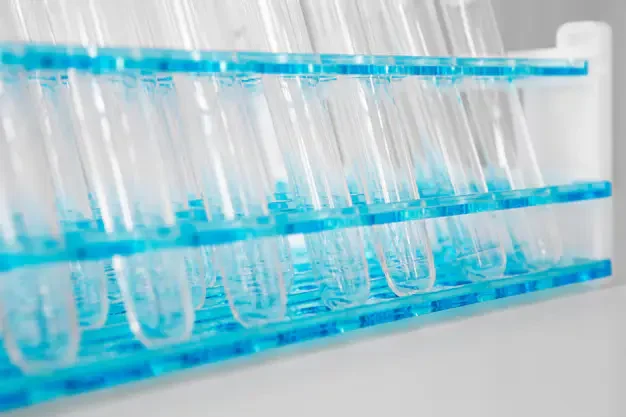
Test tubes are the quintessential symbol of science. They’re small, cylindrical, and perfect for holding tiny amounts of liquid. They’re used for everything from observing chemical reactions to storing samples. Ever wonder how scientists test dozens of variables at once? Test tubes make it possible.
Specialized Containers: Desiccators, Crucibles, and Others
Some experiments demand specialized tools. Desiccators keep substances dry, while crucibles are small pots that withstand high temperatures. Need to heat a substance to a few thousand degrees? A crucible’s got your back.
How to Choose the Right Laboratory Container
Selecting the right container isn’t just about grabbing the nearest beaker. It requires thought and consideration.
Purpose and Experiment Type
First, consider what you’re trying to achieve. Are you mixing chemicals, heating substances, or simply storing a sample? The right container will depend on the specific needs of your experiment.
Material Compatibility with Chemicals
Not all materials play nicely with every chemical. Using a chemical container that reacts with your substance can lead to inaccurate results—or worse, dangerous situations. Always double-check compatibility to ensure safety and success.
Storage and Durability Considerations
Some lab containers are built to last, while others are more disposable. If you’re working with volatile chemicals, a durable container made from glass or specialized materials might be necessary. For simpler tasks, plastic might suffice.
The Importance of Choosing the Right Laboratory Container
Laboratory containers might not seem glamorous, but they’re the unsung heroes of scientific progress. Whether you’re a student conducting a simple experiment or a researcher working on groundbreaking discoveries, having the right container can make all the difference.
Upgrade your lab today with our top-quality laboratory containers. Contact us now!
FAQs
1. Can laboratory containers be reused?
Yes, many laboratory containers, such as glass beakers and flasks, can be reused after proper cleaning and sterilization.
2. Are all laboratory containers heat-resistant?
No, only certain materials like glass or specialized plastics are heat-resistant. Always check the container’s specifications before use.
3. What’s the difference between a beaker and a flask?
Beakers are cylindrical with a spout for easy pouring, while flasks often have a narrow neck to prevent spills and support swirling.
4. How do I safely dispose of used laboratory containers?
Follow your lab’s safety guidelines for disposing of chemical or contaminated containers, which may include rinsing or using hazardous waste bins.
5. Can I use kitchen containers as substitutes for lab containers?
No, laboratory containers are specifically designed for scientific use and are made from materials that can withstand chemicals and extreme conditions.